Global Trends in Software Purchased by Individuals
An In-Depth Analysis of Consumer Software Spending Patterns, Revenue Models, and Regional Variations

Executive Summary
Key Findings
Individuals globally are increasingly spending on software, with a clear shift towards subscription-based models (SaaS) and freemium offerings, particularly on mobile platforms. Key spending categories include entertainment and media streaming, social and communication apps, and business-grade tools for productivity, security, and finance. This trend is driven by the "consumerization of IT," where powerful enterprise software becomes accessible to individuals and small businesses. Regional variations are significant: mature markets like North America show high spending on subscriptions, while emerging markets in Asia-Pacific and Latin America exhibit mobile-first consumption and a strong preference for freemium and ad-supported models, fueled by the rapid adoption of digital payments.
Key Software Categories Individuals Pay For
The global software market, valued at approximately $730.7 billion in 2024, is a dynamic and rapidly expanding sector projected to reach $1.4 trillion by 2030 [621]. This growth is fueled by a diverse range of software categories that individuals purchase for personal, professional, and business use.
Mobile Applications
Market Leadership
Mobile applications represent the most vibrant and rapidly growing segment, with global consumer spending reaching $150 billion in 2024 [601].
Growth Trajectory
Non-gaming apps outpaced games for the fourth consecutive year, with spending growth of 25% year-over-year [602].
Market Projection
Driven by in-app purchases, subscriptions, and advertising [606].
Entertainment and Media
Streaming Services
Film and television streaming apps were the largest subgenre by consumer spend in 2024, reflecting the widespread adoption of subscription-based models for services like Netflix and Disney+ [601].
53% of U.S. adults use an audio subscription service, contributing to the overall strength of the entertainment segment [600].
Social and Communication
Market Position
The second-largest category by consumer spend, reaching $11.7 billion globally in 2024 [601].
Revenue Model
Creator-centric monetization through tipping, virtual gifts, and premium features, with TikTok and YouTube dominating over 70% of spending.
Health and Fitness
U.S. Fitness Services Growth
Revenue projected to reach $900 million in 2024, driven by wearable technology adoption and digital health management trends [600].
Desktop Software
Persistence in Professional Use
Despite mobile growth, desktop remains critical for professional tasks, with 68% of office workers preferring desktops for focused work [606].
Desktop users spend 6.2 hours per day on their devices, compared to 3.8 hours on mobile.

Security and Antivirus
Fastest Growing Category
Security software was the fastest-growing category in public markets in 2024, with expected revenue growth of 29% [587].
Productivity and Office Suites
Market Size
Global productivity software market valued at $64.93 billion in 2024 [604].
Growth Projection
Projected to reach $130.99 billion by 2029 at a CAGR of 15.0%.
Business Software Purchased by Individuals
The Consumerization of IT
The distinction between consumer and business software is becoming increasingly blurred, as individuals and small businesses increasingly adopt enterprise-grade tools to manage their operations.
IT Security and Management
Dominant Revenue Models in the Individual Software Market
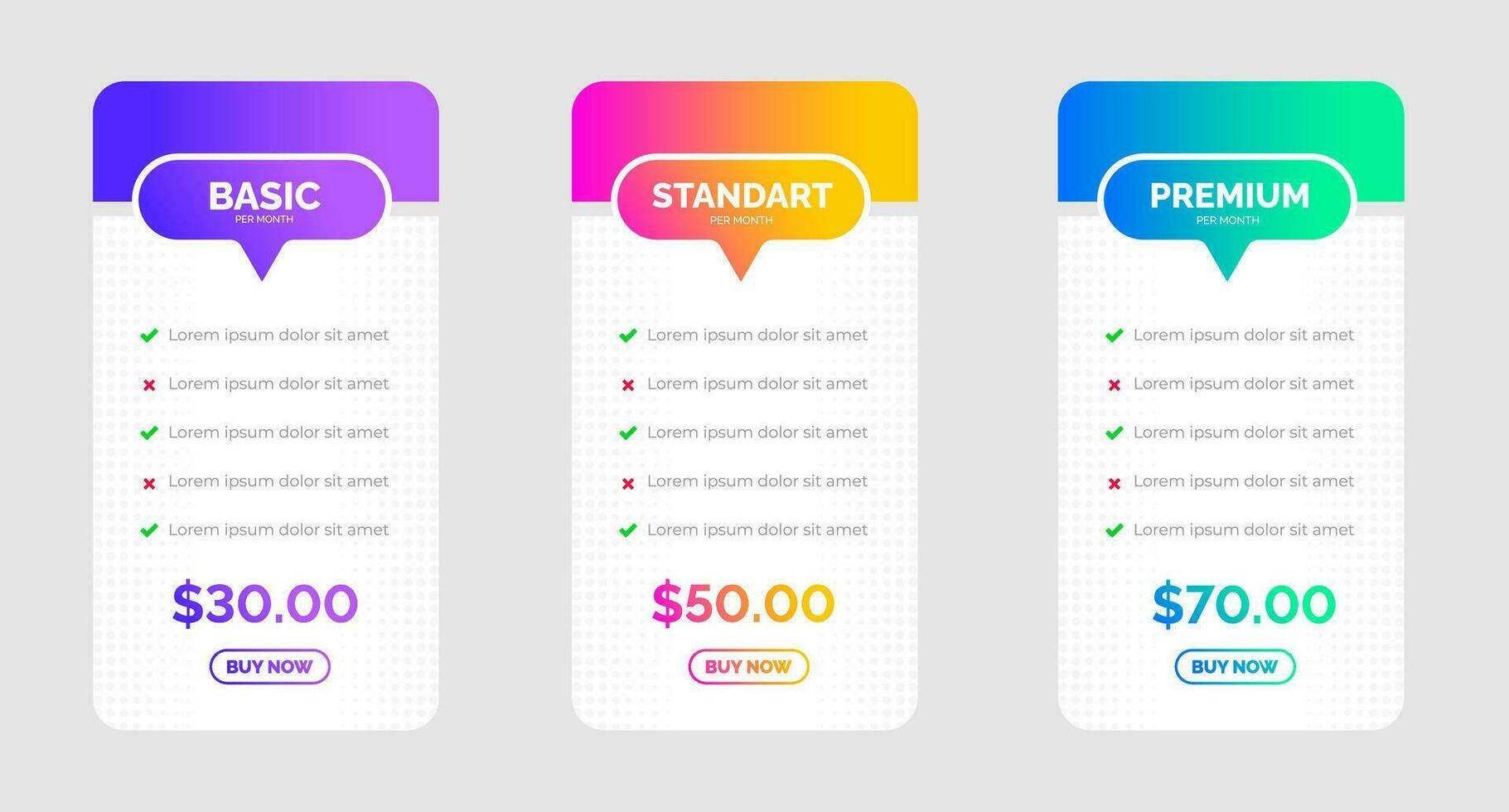
Subscription-Based Models (SaaS)
Regional Acceptance Variations
Global survey reveals significant regional differences in subscription model acceptance [54]:
Freemium and In-App Purchases
Mobile App Dominance
The freemium model is the dominant revenue model in mobile apps, with consumer spending on in-app purchases and subscriptions reaching $150 billion in 2024 [601].
Success Factors
- • Low barrier to entry
- • Large user base potential
- • High revenue from "whales"
- • Compelling free experience
Key Categories
- • Social media platforms
- • Entertainment apps
- • Gaming applications
- • Dating and lifestyle
One-Time Purchase and Licensing
Declining Trend
The one-time purchase model has seen significant decline with the rise of subscription services, though it persists in certain niche markets for professional desktop tools [325].
Niche Persistence
Professional desktop tools in engineering, architecture, and scientific research continue to offer perpetual licenses for users requiring stability and predictability.
Regional Variations in Software Purchasing Trends

North America
High Spending Market
Market Characteristics
- • Mature, high-spending market
- • Strong subscription model adoption
- • Leadership in enterprise software
- • High security software priority
Asia-Pacific
Mobile-First Growth Engine
The region is experiencing significant surge in mobile app spending, driven by large, young, mobile-first populations and nearly tripling in size by 2030 [644].
India's AI App Explosion
Dramatic increase reflecting the tech-savvy user base and mobile-first approach [636].
Emerging Markets (Latin America, India)
Mobile-First Consumption
Characterized by mobile-first approach driven by lower smartphone costs and affordable mobile data [660].
Freemium Preference
Strong preference for freemium and ad-supported models, with high download volumes but lower revenue conversion [657].
Emerging Trends and Future Outlook
The Rise of Generative AI Applications

Productivity Enhancement
Intelligent writing assistance, smart scheduling, and automated data analysis capabilities.
Creative Automation
Automated image editing, music generation, and 3D model creation features.
Security Intelligence
Real-time threat detection and automated response systems.
Shift in Consumer vs. Business Software Distinction
The Consumerization of IT
Increasing number of individuals purchasing business-grade software for personal use, freelance work, or small business operations. Enterprise tools are becoming more intuitive and user-friendly, blurring traditional lines between personal and professional use.
Driving Factors
- • Availability of affordable SaaS tools
- • Enterprise software user-friendliness
- • Remote work and freelance economy
- • Personal-professional device convergence
Popular Categories
- • IT security and management
- • Project management tools
- • Accounting and finance software
- • Marketing and productivity apps
Evolving Payment Methods
Digital Wallets & Mobile Payments
Growth of digital wallets and mobile payments significantly impacting software market, particularly in emerging markets [657].
Key Features
- • Reduced transaction friction
- • Increased purchase volume
- • Government cashless initiatives
- • Local payment method support
Buy-Now-Pay-Later (BNPL)
BNPL services emerging as potential growth driver for high-value software products, making them more accessible to consumers in emerging markets.
Benefits
- • Affordable installment payments
- • Increased accessibility
- • Market expansion potential
- • Consumer flexibility
Future Outlook
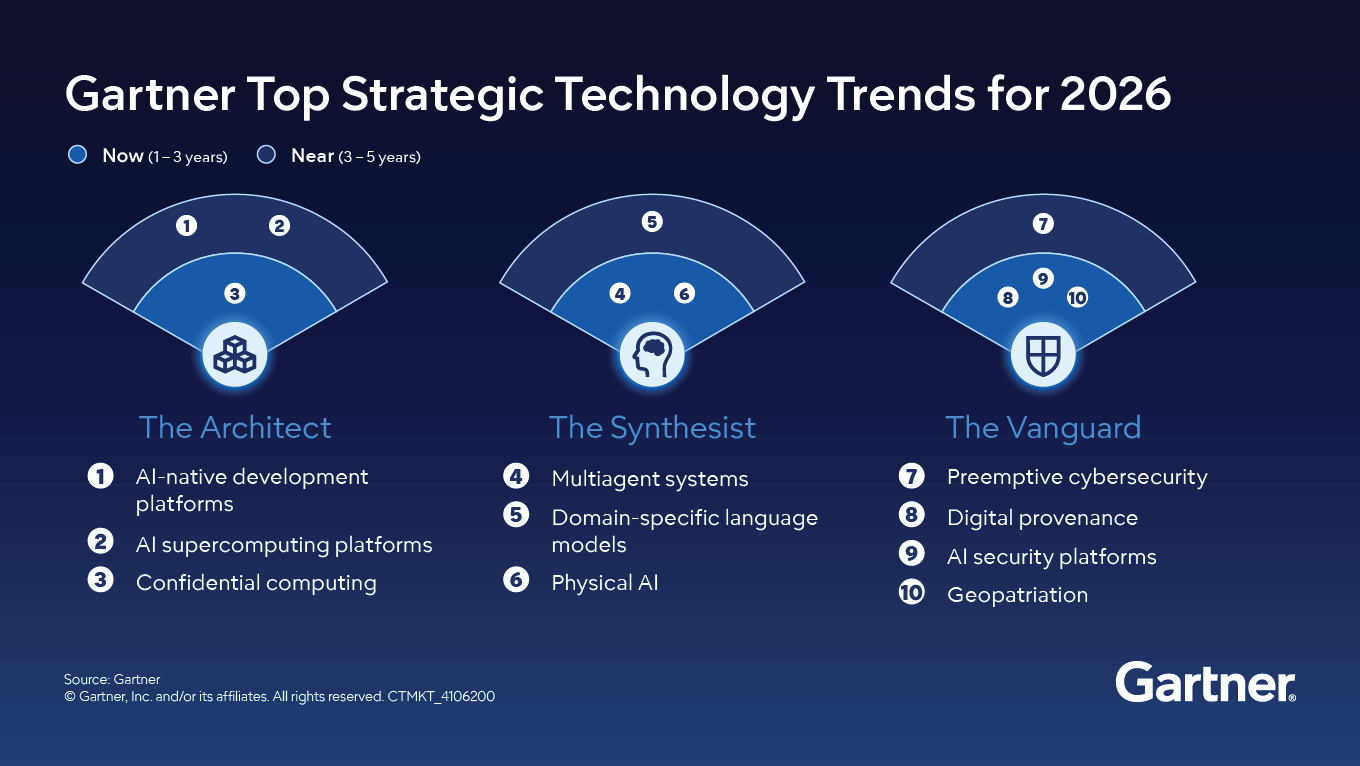
Market Growth Trajectory
Success Factors for Software Vendors
Subscription Model Optimization
Balancing value proposition with pricing tiers and regional preferences
Mobile-First Strategy
Prioritizing mobile experiences for emerging market penetration
AI Integration
Leveraging generative AI for enhanced user experiences and monetization
Regional Adaptation Strategies
Payment Method Diversification
Supporting local payment preferences and digital wallets
Freemium Model Optimization
Balancing free features with compelling premium upgrades
Cultural Localization
Adapting content and features to regional preferences
Concluding Insights
Market Dynamics
The software market is undergoing fundamental transformation, driven by subscription models, mobile-first consumption, and AI integration. Success requires understanding regional variations and adapting to evolving consumer preferences.
Future Opportunities
Emerging markets present significant growth potential, particularly in mobile applications and AI-driven solutions. The convergence of consumer and business software creates new monetization opportunities for innovative vendors.